
Menu
About
Kara Belle Arnold | WIN Leadership Institute
About
Kara Belle Arnold | WIN Leadership Institute
For years, I believed the work would speak for itself.
It was good work. But I learned, the hard way, that being excellent at what you do and being able to influence what happens around your work are two completely different skills.
For years, I believed the work would speak for itself.
It was good work. But I learned, the hard way, that being excellent at what you do and being able to influence what happens around your work are two completely different skills.
My Story
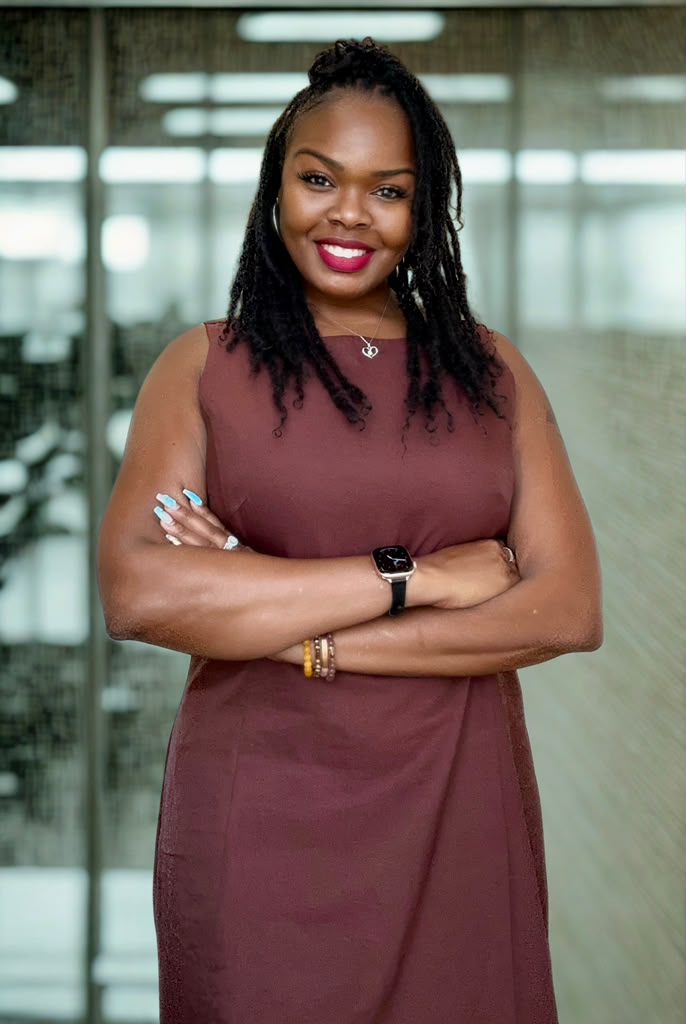
I’m Kara Belle Arnold. This is the story of how I learned the second one, and why I now teach it.
I’ve spent more than a decade in federal service, working right where leadership meets the machinery of an organization, how people actually build influence and move things forward inside complex institutions. And for a long stretch of that, I did what a lot of high performers do. I kept my head down, delivered, and trusted that if I was good enough, someone would notice and move me accordingly.
Then a program came open. It had always been led by a PhD scientist, and I’m not a scientist; I’m a social scientist in a building full of them. Everyone assumed the next leader would be another scientist. But when I looked hard at the work, I realized it had almost nothing to do with science. It was systems. Structure. Program design. Workflow. The scientist wasn’t the qualification, just the person who’d always held the seat. And the actual work? That was the thing I’m excellent at.
So I stopped waiting to be chosen. I said it out loud: let me lead this. And I did, well enough that it got noticed all the way up. Then I did the part that changed everything. I didn’t wait for someone to catch up and reward me. I walked in and said: here’s the work I’ve been doing; I’d like my compensation to match it. Not “I think I deserve more”, that’s a hope. I had already built the reality, in public. The conversation was just the invoice.
Closed mouths don't get fed. But prepared mouths get fed even better.

That’s the whole thing, really. I already knew my worth, most accomplished people do. What I hadn’t learned was that knowing your worth privately and communicating it publicly are two different skills. One is craft. The other is positioning. And the second one is completely learnable.
That realization is why I built the WIN Leadership Institute, to teach the skill nobody teaches us: how to turn your worth into leverage, and your leverage into influence.
My Story
I’m Kara Belle Arnold. This is the story of how I learned the second one, and why I now teach it.
I’ve spent more than a decade in federal service, working right where leadership meets the machinery of an organization, how people actually build influence and move things forward inside complex institutions. And for a long stretch of that, I did what a lot of high performers do. I kept my head down, delivered, and trusted that if I was good enough, someone would notice and move me accordingly.
Then a program came open. It had always been led by a PhD scientist, and I’m not a scientist; I’m a social scientist in a building full of them. Everyone assumed the next leader would be another scientist. But when I looked hard at the work, I realized it had almost nothing to do with science. It was systems. Structure. Program design. Workflow. The scientist wasn’t the qualification, just the person who’d always held the seat. And the actual work? That was the thing I’m excellent at.
So I stopped waiting to be chosen. I said it out loud: let me lead this. And I did, well enough that it got noticed all the way up. Then I did the part that changed everything. I didn’t wait for someone to catch up and reward me. I walked in and said: here’s the work I’ve been doing; I’d like my compensation to match it. Not “I think I deserve more”, that’s a hope. I had already built the reality, in public. The conversation was just the invoice.
Closed mouths don't get fed. But prepared mouths get fed even better.
That’s the whole thing, really. I already knew my worth, most accomplished people do. What I hadn’t learned was that knowing your worth privately and communicating it publicly are two different skills. One is craft. The other is positioning. And the second one is completely learnable.
That realization is why I built the WIN Leadership Institute, to teach the skill nobody teaches us: how to turn your worth into leverage, and your leverage into influence.
Who I Am
Advocacy has been in me longer than any title. Before any of this, I was a young library manager back home in Sint Maarten, standing in front of Parliament making the case for the budget my community needed. I’ve since served in the U.S. Navy, carried my Caribbean roots into every room I’ve walked into, and spent my federal career learning how influence really moves inside institutions, today leading a national research and workforce-development portfolio at a premier federal science and technology agency.
My foundation is in the social sciences, it started with a degree in sociology, and I’ve built on it ever since: a master’s in Negotiation and Conflict Management, executive negotiation training at Harvard Law School, certificates in leadership and in diversity, equity, and inclusion, and a PhD in Public Policy and Administration now underway. But the credentials came after the conviction, not the other way around. I teach what I’ve lived: your work matters, and you also have to know how to communicate its value.
Who I Am
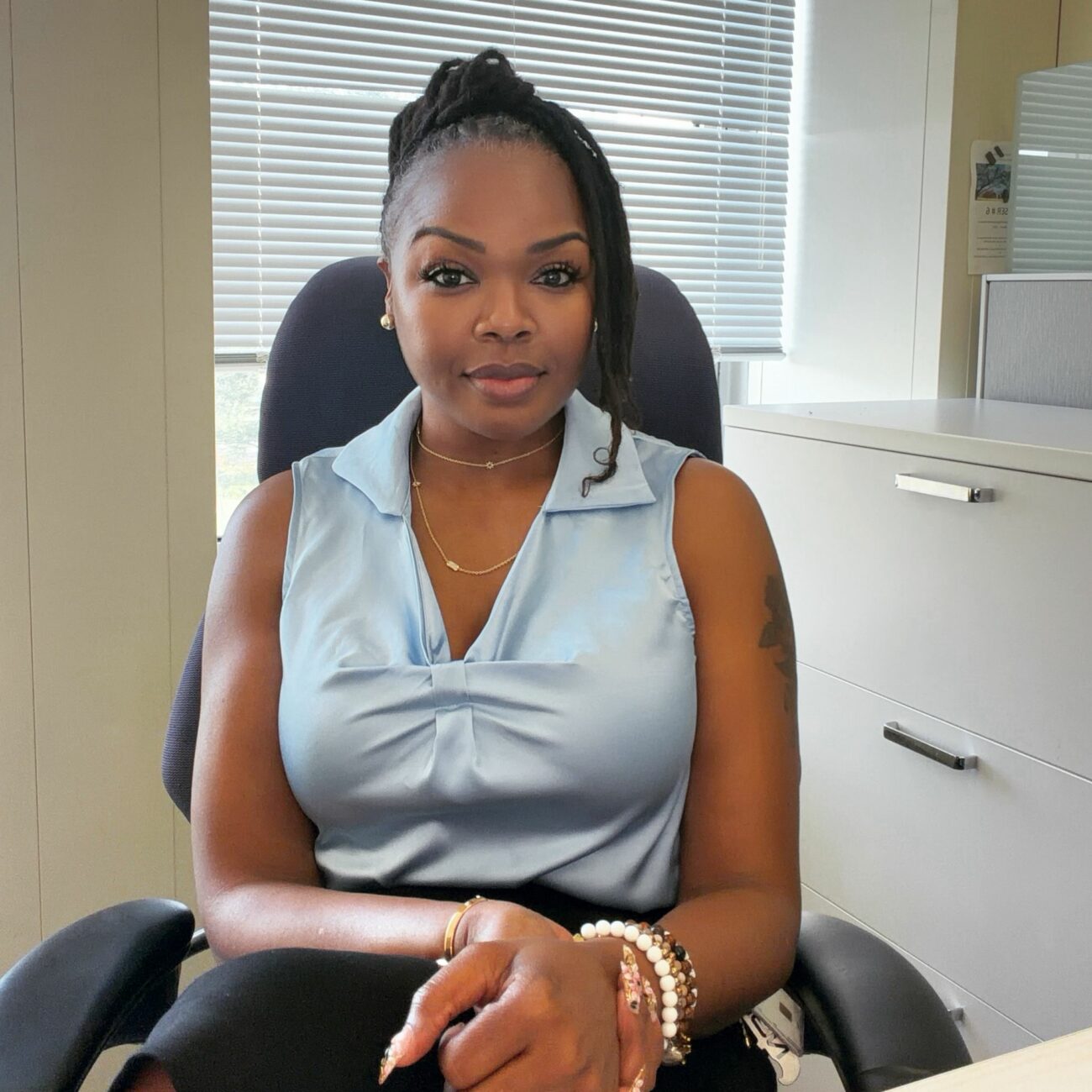
Advocacy has been in me longer than any title. Before any of this, I was a young library manager back home in Sint Maarten, standing in front of Parliament making the case for the budget my community needed. I’ve since served in the U.S. Navy, carried my Caribbean roots into every room I’ve walked into, and spent my federal career learning how influence really moves inside institutions, today leading a national research and workforce-development portfolio at a premier federal science and technology agency.
My foundation is in the social sciences, it started with a degree in sociology, and I’ve built on it ever since: a master’s in Negotiation and Conflict Management, executive negotiation training at Harvard Law School, certificates in leadership and in diversity, equity, and inclusion, and a PhD in Public Policy and Administration now underway. But the credentials came after the conviction, not the other way around. I teach what I’ve lived: your work matters, and you also have to know how to communicate its value.
How I Work : The WIN Framework
Everything I teach runs on the WIN Framework, the same order I lived it in, turned into a method you can run on Monday.

W — Worth Identification
Name your value, in outcomes, dollars, time, risk, before you ever enter the conversation.

I — Intentional Preparation
Read the room. Map the stakeholders, the leverage, and the likely resistance, before you speak.

N — Negotiation Execution
Make the ask, clean and specific. Listen for what they care about. Secure the next step.
High performance alone does not produce influence.
Systems literacy is what turns your work into leverage and leverage into influence.
How I Work : The WIN Framework
Everything I teach runs on the WIN Framework, the same order I lived it in, turned into a method you can run on Monday.
W — Worth Identification
Name your value, in outcomes, dollars, time, risk, before you ever enter the conversation.
I — Intentional Preparation
Read the room. Map the stakeholders, the leverage, and the likely resistance, before you speak.
N — Negotiation Execution
Make the ask, clean and specific. Listen for what they care about. Secure the next step.
High performance alone does not produce influence.
Systems literacy is what turns your work into leverage and leverage into influence.
If this sounds like your story, let's talk.
You’re talented, credentialed, and delivering, and still waiting to be recognized. I help professionals identify their worth, prepare intentionally, and negotiate it. Because leadership is influence, and negotiation is how it happens.
Redesigning How Professionals Negotiate Their Worth.